.png)


Avlskovgaard
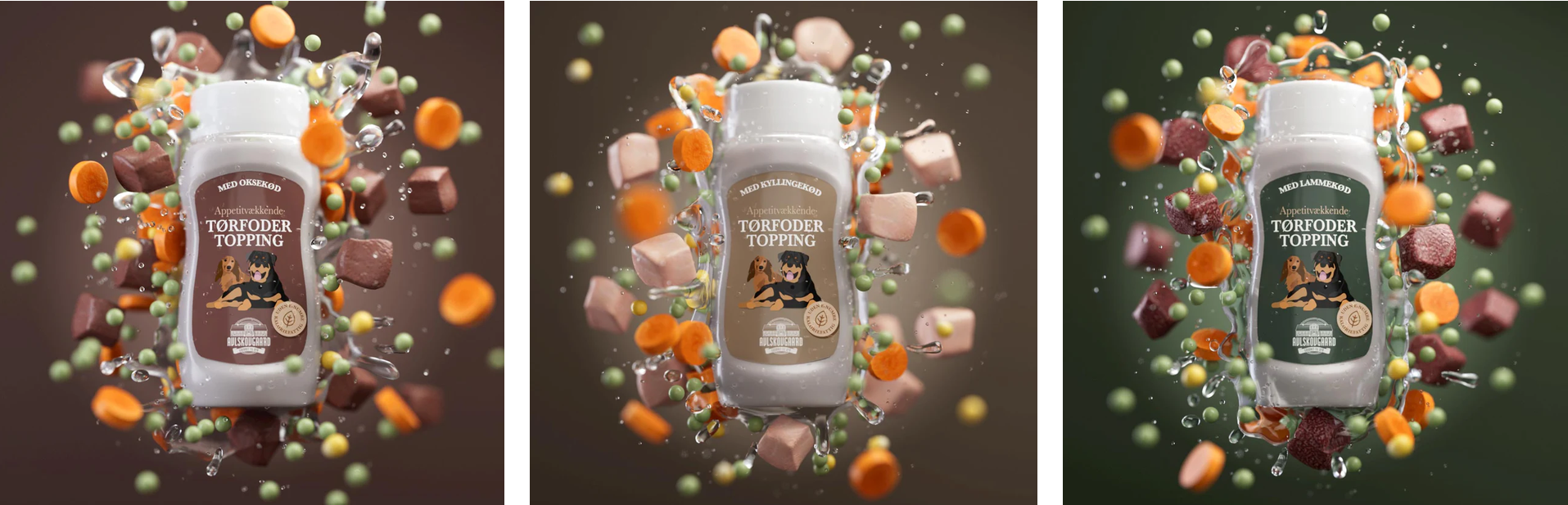

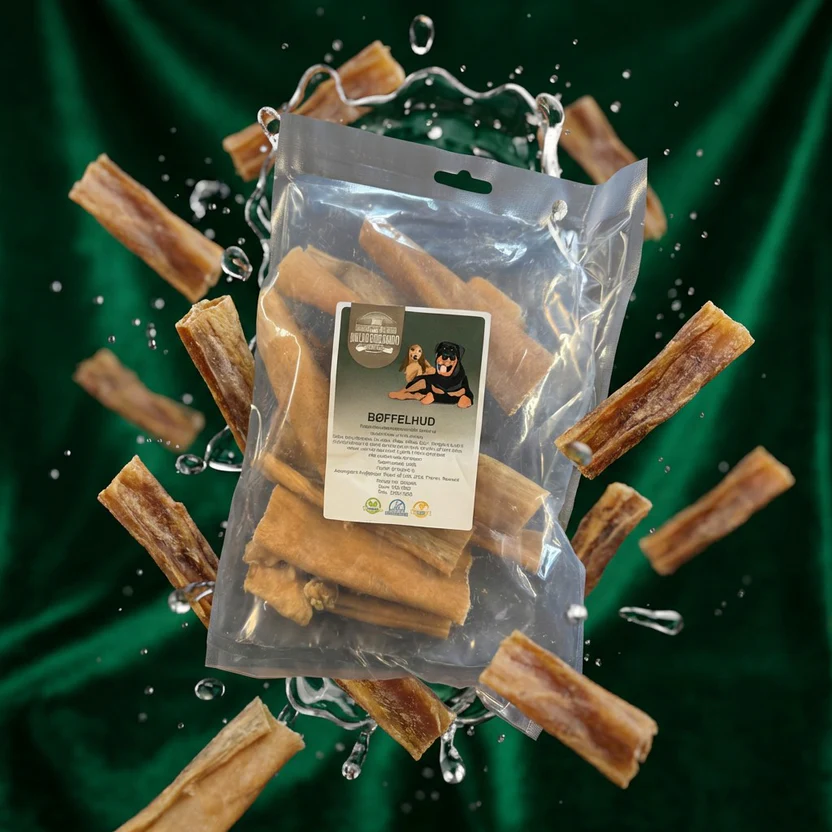
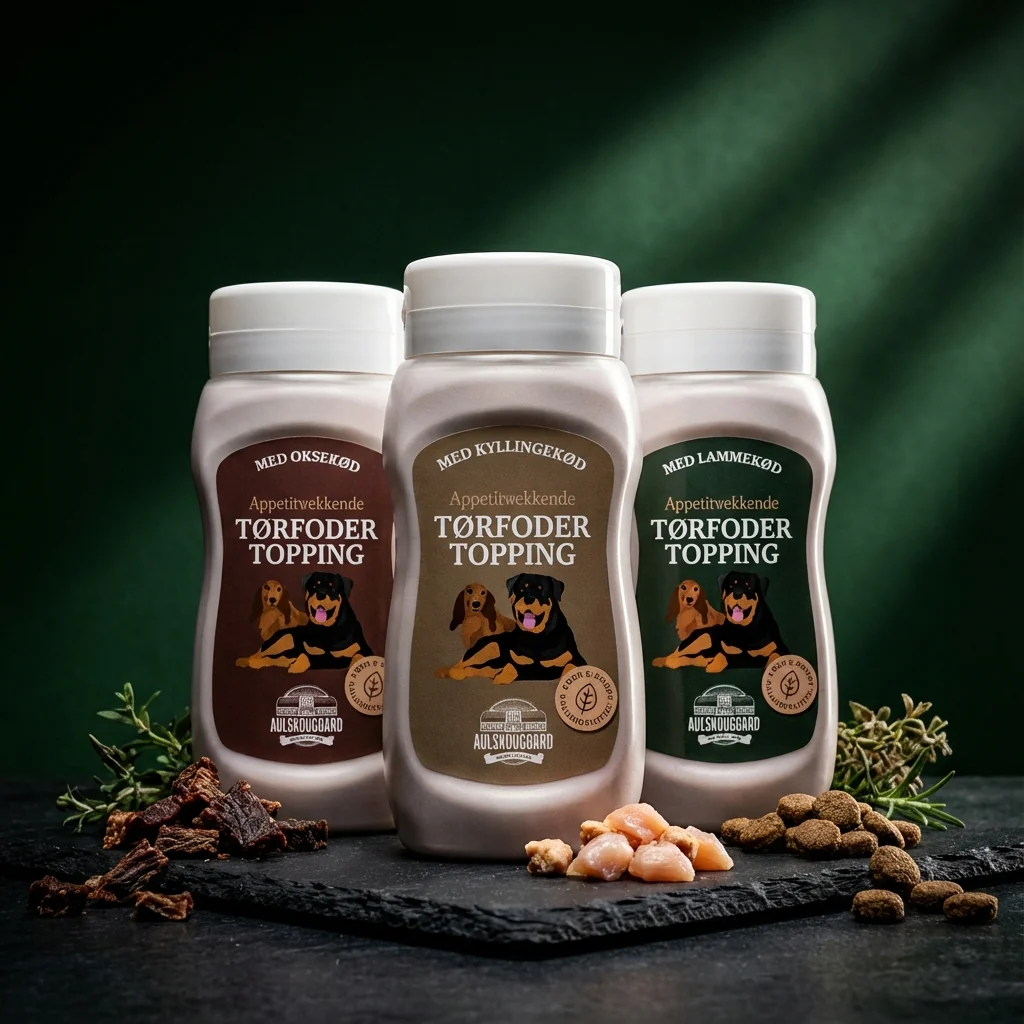
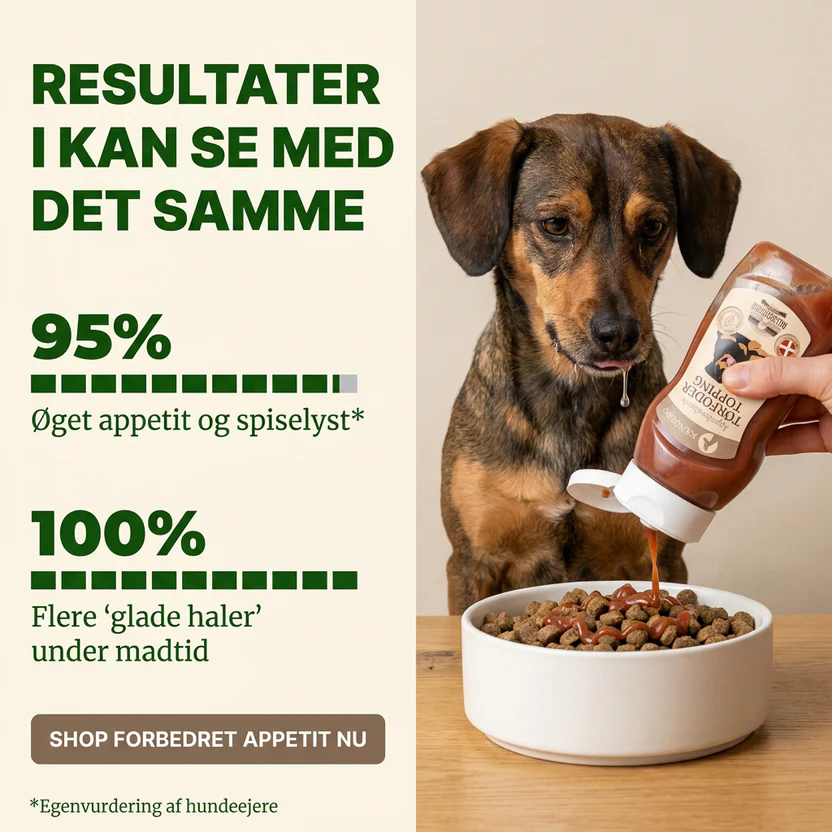
Avlskovgaard was a beloved Danish raw pet food brand running on empty — ad spend was outpacing revenue, bills to suppliers and Meta were piling up, and the business had no cushion left. Advera stepped in to rebuild the model from the ground up: shifting budget from costly cold acquisition toward retargeting and email, rewriting the creative to tell an emotional story instead of listing ingredients, and launching a subscription program almost from scratch. Within weeks the brand was back to daily profitability, and within months it had climbed to a 13% net margin with a fast-growing subscriber base and virtually zero churn — proof that the right strategy can turn a cash crisis into sustainable, recurring growth.
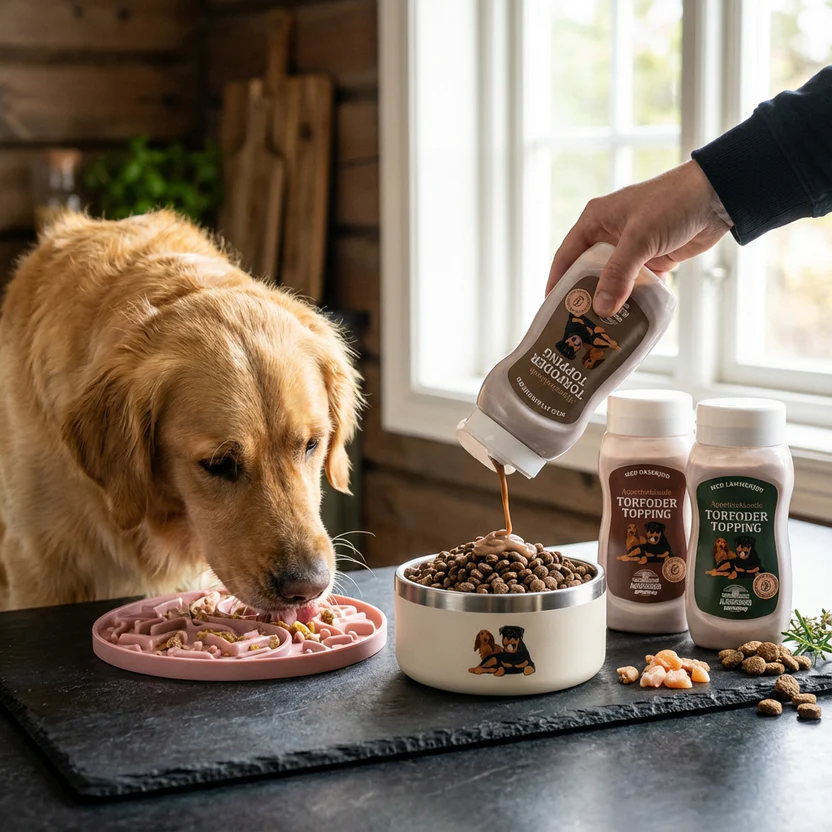
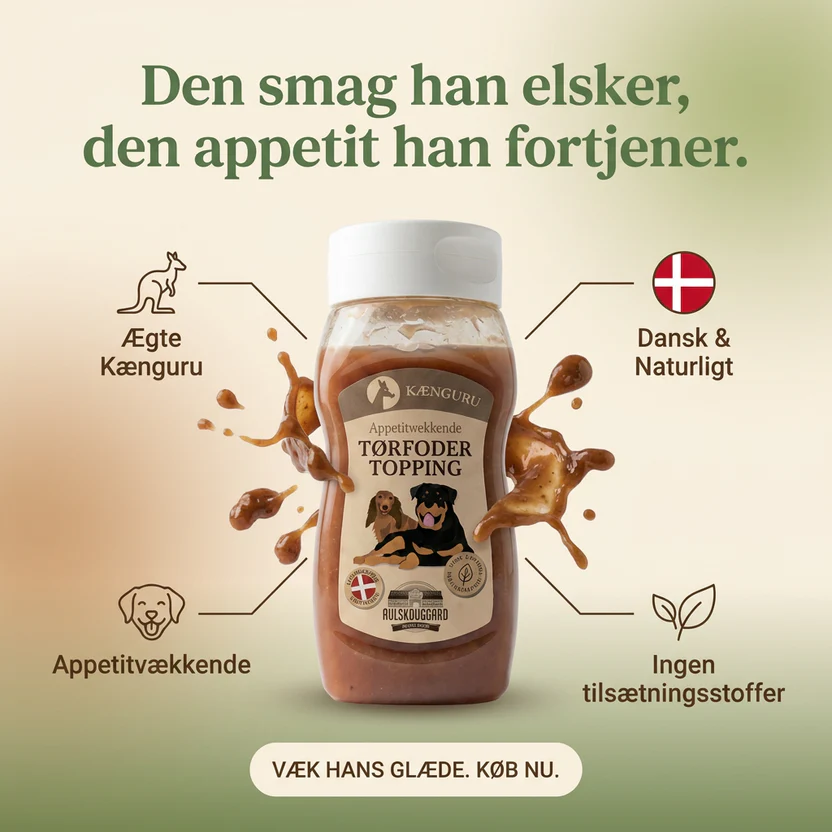
The first proof came almost immediately — and it came from spending less, not more.
Within the opening week, with spend pulled back and disciplined, the account was already profitable at a 3.22x ROAS — confirming what Advera had suspected: the unit economics worked fine. The problem had never been the product or even the ads. It was the reckless way budget was being deployed.
From there, the recovery compounded:
- Late April: the brand crossed into a break-even month overall, profitable on its good days for the first time in a while.
- Mid-May: average order value climbed to 359 DKK on strong days as bundling, gift tiers, and tasting packs took hold.
- Week 19: 83,000 DKK in weekly revenue, with profitability holding even while running a deliberately broad creative test to find new winners.
- Through June: the subscription program — built essentially from scratch — reached 23 active subscribers with zero cancellations, a clean, compounding base of recurring revenue the business simply hadn't had before.
- A 13% net margin, driven by the deliberate shift toward retargeting and email, a fast-growing subscription base— the clearest sign yet that retention had overtaken cold acquisition as the engine of the business.
The throughline matters more than any single number. A brand that had been one bad week away from not making payroll was now structurally healthier: less dependent on daily ad spend, increasingly carried by loyal repeat customers, and telling a story pet owners actually recognized.




The creative work





.png)