.png)


Weightnordic
.png)

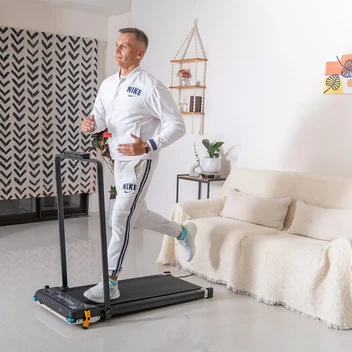
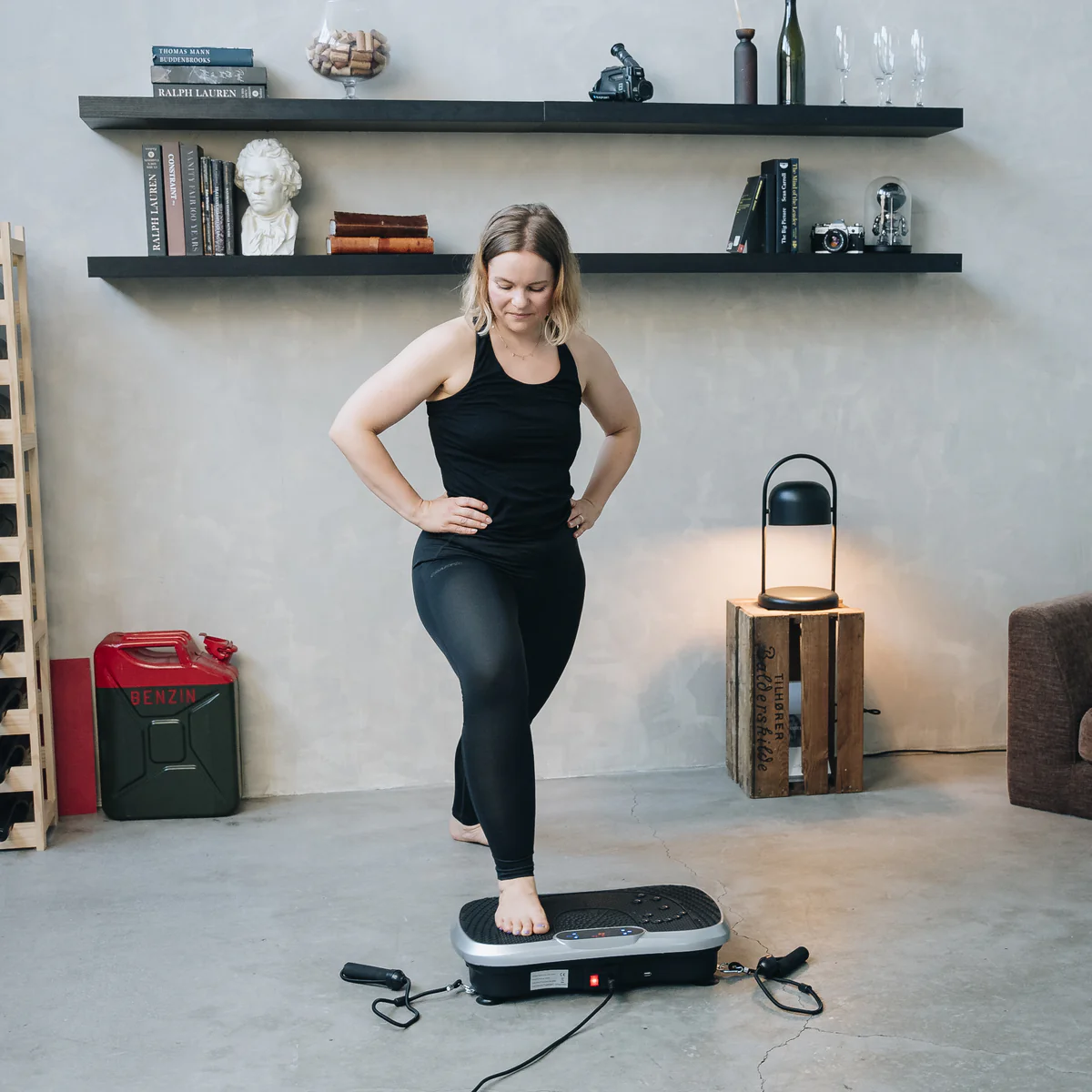
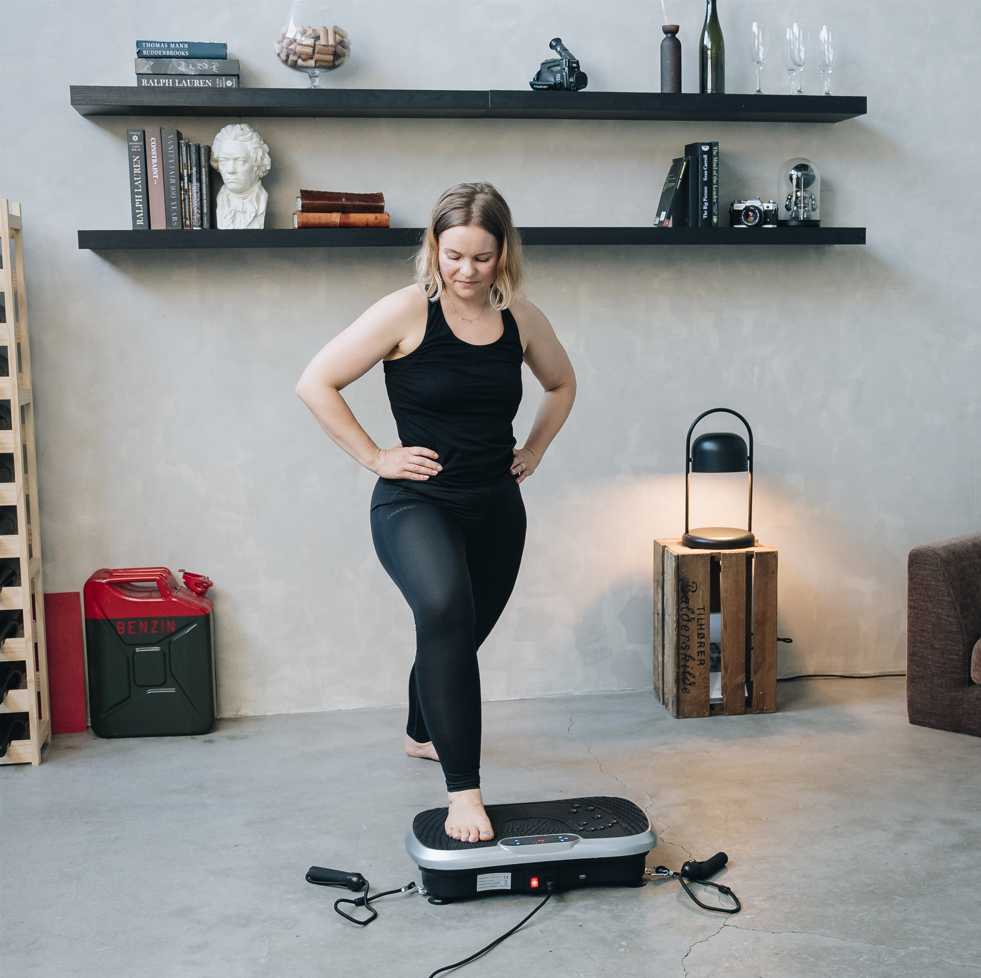
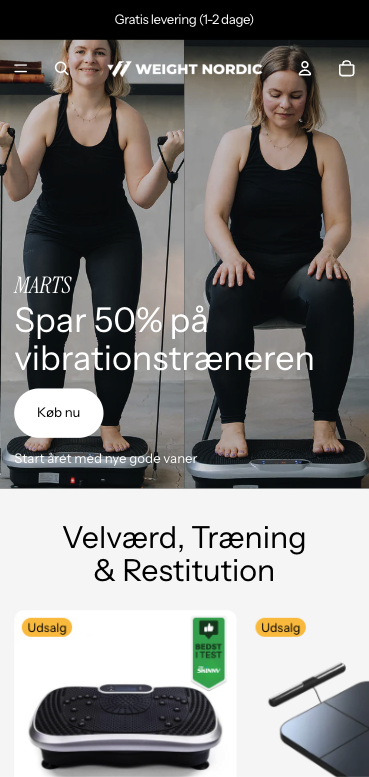
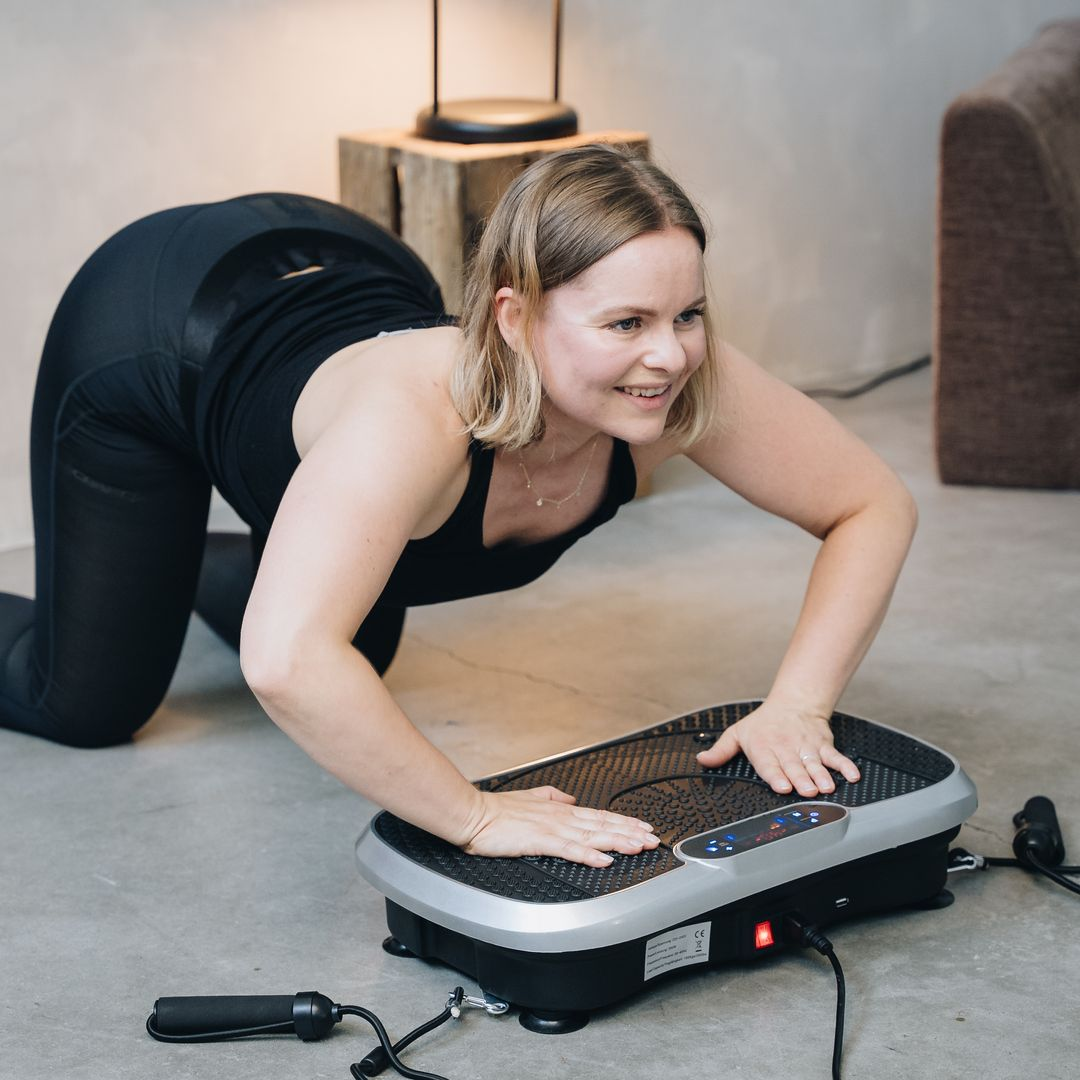
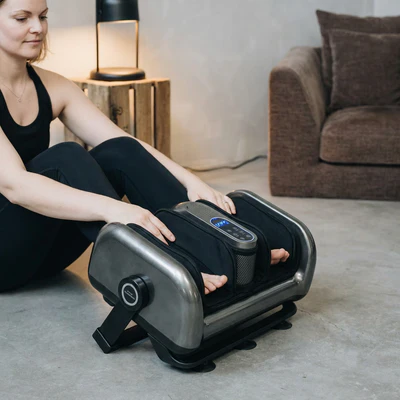
Rebuilt the website around trust. The centerpiece of the work was a full website relaunch designed specifically for WeightNordic's cautious audience. That meant stronger social proof, a credible "about us" presence (team photos, real imagery of the scanners and equipment), and product pages that actually reassured rather than just sold.
Aligned the content with reality. Advera worked through the details that quietly erode trust — correcting FAQ content so it matched the official product manuals, clarifying who each product is actually for, and removing inconsistencies and outdated claims that made the brand feel less credible to a careful buyer.
Matched creative to the real audience. Ad angles were built around the customer's actual motivations — achieving a "summer body" without the gym, solving low daily energy, and getting results without the full fitness-center routine — rather than generic fitness messaging. The team also tested bolder angles, including a contrarian "don't buy this kind of trainer" hook that told prospects exactly what to avoid.
Ran a disciplined test-and-scale engine. A continuous weekly cadence of split-tests on modest budgets identified winners early — a single strong creative driving multiple sales on a small daily spend — which were then scaled into the main campaign. Periodic promotional pushes (like a recurring 50%-off campaign on the flagship vibration trainer) were reintroduced when the data showed they worked.
Brought in UGC and fresh creative. With the foundation fixed, the focus shifted to feeding the machine — sourcing UGC creators and producing professional content to keep the creative pipeline strong and performance climbing.
Weight Nordic achieved a 50% increase in website traffic driven largely by improved Google Ads performance, while conversion rates rose by 35% through a streamlined checkout experience and enhanced site usability. At the same time, stronger engagement strategies led to a 25% increase in repeat customers, turning one-time buyers into returning, higher-value customers.
The website rebuild didn't just lift the numbers — it transformed the entire economics of the account.
Conversion rate jumped from 1.26% to 3.87% — more than tripling the share of visitors who became buyers. Because that improvement came from the on-site experience rather than the ad account, every existing krone of ad spend suddenly went roughly three times as far. The same traffic, the same budget — dramatically more revenue.
The downstream impact showed up fast. In the weeks following the relaunch, WeightNordic posted a 25% profit-margin week and settled into roughly 20% net margin for the month — strong enough that Advera moved to scale spend further rather than hold steady, setting a target of 30,000–40,000 DKK in daily revenue. With the conversion foundation finally solid, growth became a question of how fast to push, not whether the economics would hold.
The lesson underneath the numbers is the one that's easy to miss: the highest-leverage marketing improvement wasn't in the ad account at all. It was in fixing what happened after the click — earning the trust of a cautious customer so that the traffic the brand was already paying for finally converted.




The creative work






.png)